Rodent & Wildlife Removal in Burlington
Request an estimate
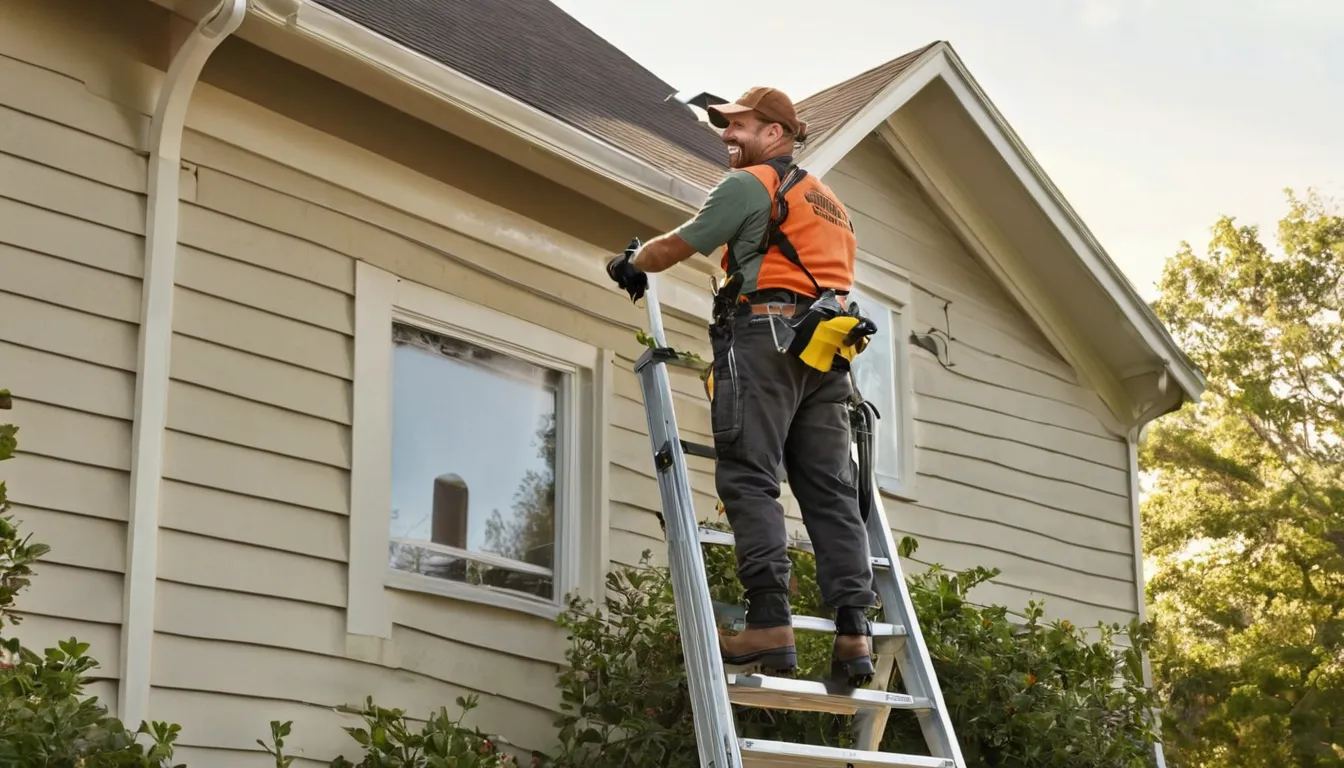
Scratching overhead is not something to ignore. Mice, rats, squirrels, raccoons and bats can chew wiring, soil insulation and make a mess in the walls. Many people hope the animal will just leave. In practice, most stay and bring company.
Cleanoccur Pest Control is a referral service. We do not trap, remove or repair anything. When you send a request, we connect you with an independent provider in our network. The provider inspects, gives you a written quote and does the work. You pick a time that fits your week, and you decide whether to go ahead. There is no obligation to hire.
Noises in the attic or walls? Start here
Scratching at night. Thumps in the ceiling. A sharp smell near a vent. If that sounds familiar, you may have searched for an exterminator near me and landed here. Good. This page covers rodents and wildlife, and how a local provider gets them out.
Cleanoccur Pest Control is a referral service. Providers in our network inspect, remove and seal. We help you reach one.
Myth: 'It's just one mouse'
A lot of people think a single mouse is a small problem. In practice, mice breed fast, and the one you saw is rarely alone. Rats work the same way. They find food, settle in and raise young inside your walls.
Treat a sighting as a sign of a nest, not a one-off.
Why waiting costs more
Rodents gnaw. They chew wires, pipes, boxes and insulation. Chewed wiring can be a fire risk. Some policies may cover sudden damage, so check your policy, and providers can often help document damage for a claim.
Wildlife adds another twist. Squirrels and raccoons often nest in attics in spring. If a parent is removed the wrong way, babies can be stranded. A provider knows how to handle that safely. Many providers can respond quickly once you reach them, so the sooner you ask, the fewer repairs you may face.
Signs that point to rodents or wildlife
- Scratching, scurrying or thumping, often at dusk or overnight
- Droppings in cabinets, along walls or in the attic
- Gnaw marks on wood, wires or stored items
- Greasy smear lines along baseboards
- Torn or flattened insulation
- Musty or sharp odors from vents and crawl spaces
- A pet staring at one wall or ceiling spot
- Holes near the roofline, soffits or vents
Another myth: 'No droppings means no animals.' Not quite. Some animals leave little trace at first.
Animals providers commonly handle
Mice and rats are the usual guests. Older frame houses have plenty of gaps behind siding and around basement walls. Squirrels like attics and roof vents. Raccoons tear at loose flashing and chimneys. Bats slip through gaps about the width of a finger. Opossums and skunks den under porches and decks.
Each animal needs a different approach. That is why the first visit is an inspection.
How removal and exclusion works
Inspection comes first
The provider checks the attic, basement, crawl space and roofline. They find entry points and name the animal. Then you get a written quote.
Removal fits the animal
Depending on the species, a provider may use traps, one-way doors or other tools. Rodent jobs often need a follow-up visit to confirm activity has stopped.
Sealing finishes the job
Removal without sealing is only half the fix. Providers close the entry holes so new animals cannot move in. Many also offer cleanup of droppings and soiled insulation. Ask what is included.
If you hear activity right now, Request a callback to check provider availability.
Myth: 'Poison solves it'
Poison sounds easy. The reality is messier. An animal can die inside a wall, which causes odor and flies. Poison can also harm pets and wild animals that eat the victim. Many providers lean on traps and sealing instead. Ask which method will be used in your home.
Humane handling and local rules
Rules differ by state and town. Some animals are protected. Bats and nesting birds often have seasonal limits, and some species cannot be relocated. A local provider should know what applies. Ask about their license and how they handle babies in a nest.
Fits your week: keeping disruption low
Busy household? Say so when you book. Most work happens in the attic, basement or on the roofline, so you may only need to be home for access. Ask about timing around school runs, naps and work calls. Mention pets and kids so traps go in safe spots. Ask how many visits to expect, so you can plan.
Choosing a removal provider
- Ask for a written quote that lists the scope of work
- Ask which methods will be used and why
- Ask if sealing and cleanup are included
- Ask how many follow-up visits are normal
- Ask for proof of license and insurance where your state requires it
- Get any warranty terms in writing
Keeping animals out
Cold winters push rodents indoors in fall. Spring flooding can drive them out of burrows and into basements. Hail and storms can loosen roof vents and soffits. Ranch homes and bungalows have low rooflines that are easy to reach.
- Seal gaps around pipes, vents and the foundation
- Cover sump pits and keep basement doors tight
- Trim branches back from the roof
- Store food and pet feed in sealed bins
- Check vents and chimney caps after big storms
Who does what
Here is the plain version. You send a request. Cleanoccur Pest Control routes it to an independent provider in our network. The provider contacts you, inspects and quotes in writing. Providers do the work. You choose whether to hire.
What's Included
Entry point inspection
The provider checks the attic, basement and roofline to find where animals get in and what they are.
Humane removal
Methods match the animal and local rules, including care around nests and young.
Sealing repairs
Gaps, vents and holes get closed so new animals cannot move in.
Cleanup options
Many providers can clean droppings and replace soiled insulation. Ask what your quote includes.
Typical rodent and wildlife removal costs
Prices depend on the animal, how many there are and how hard the home is to reach. These are typical U.S. ranges only. Always get a written quote from the provider before work starts.
| Item | Typical range | Notes |
|---|---|---|
| Inspection | $100 – $300 | Some providers apply it to the job if you hire them |
| Mouse or rat trapping | $200 – $600 | Often includes a few follow-up visits |
| Squirrel or raccoon removal | $300 – $900 | Higher if babies are in the nest |
| Bat exclusion | $500 – $3,000 | Seasonal rules may affect timing |
| Entry point sealing | $250 – $1,500 | Depends on how many gaps and how high |
| Attic cleanup and insulation | $500 – $5,000 | Varies with size and damage |
How It Works
Send your request
Tell us what you hear or see and when you are usually home. Takes a couple of minutes.
Get matched with a provider
We route your request to an independent provider in our network who serves your area.
Inspection and written quote
The provider finds the animal and entry points, then explains the plan and price in writing.
Removal, sealing and follow-up
If you approve, the provider schedules the work, closes entry points and checks back as needed.
Why Call Cleanoccur Pest Control
Providers do the work
Independent local providers inspect, remove and seal. We only connect you with one.
Written quotes
Every provider quote should come in writing, so you can compare before you decide anything.
Fits your week
Tell the provider about school runs, work calls and pets so visits suit your routine.
Plain referral
No obligation to hire. We explain how requests are routed, so you know what to expect.
Other Services
Need rodent & wildlife removal in Burlington?
Tell us what you are seeing and when your household is available. A provider in our network follows up with questions and a written quote. No obligation.
No obligationRodent & Wildlife Removal FAQ
How do I know if I have mice, rats or something bigger in my attic?
Sound and timing help. Light scurrying often means mice or rats. Heavy thumping in daylight can point to squirrels. Raccoons are louder and heavier. A provider can inspect the attic and tell you for sure.
Will homeowners insurance pay for rodent or wildlife damage?
It depends on your policy. Some policies may cover sudden damage, but many exclude damage from pests over time. Check your policy or ask your insurer. Providers can often help document damage for a claim.
Is it safe to trap or remove a wild animal myself?
Often it is not. Animals can bite, carry disease or have young nearby. Some species are protected by law. A local provider knows the rules and can remove the animal safely. Request a callback to check provider availability.
Get in touch
Tell us what you are seeing and when your household is available. A provider in our network follows up with questions and a written quote. No obligation.
No obligation